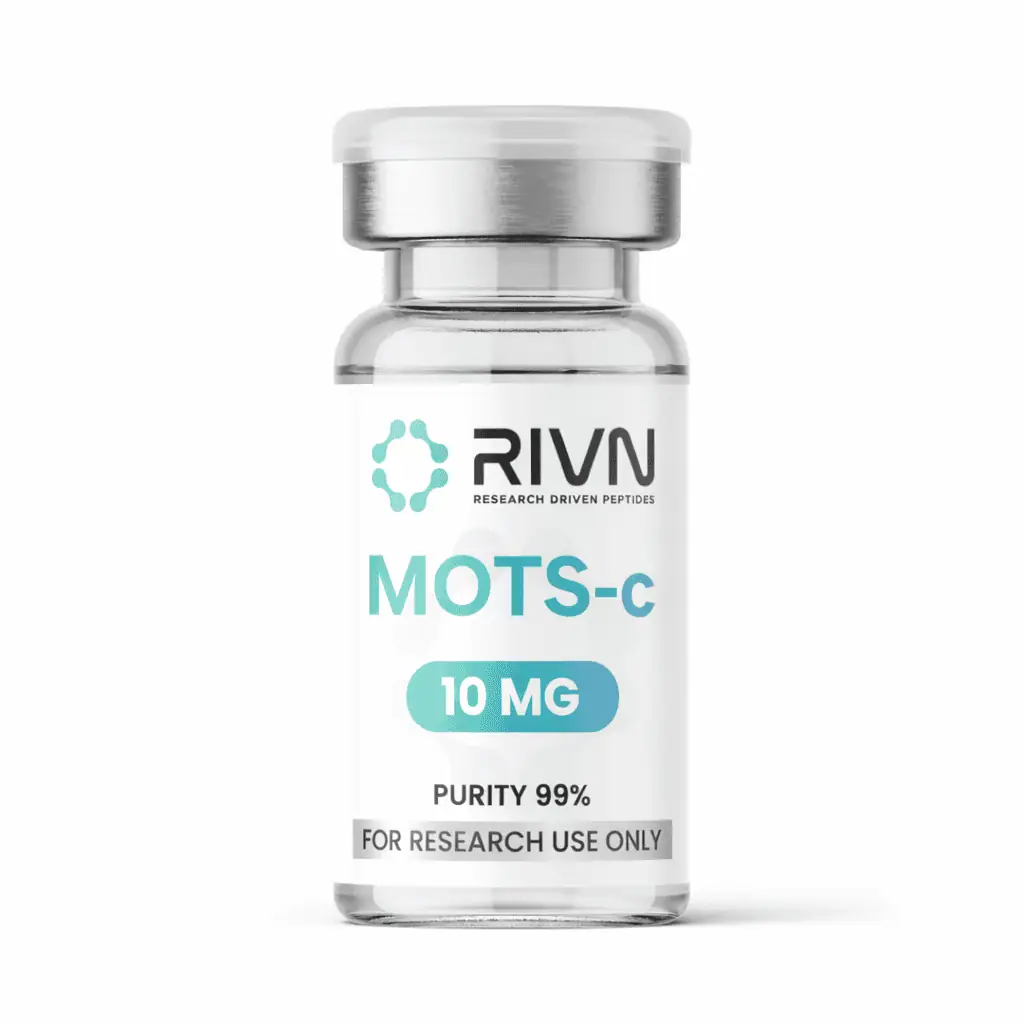
Cagrilintide 10mg is a synthetic peptide supplied as a lyophilized powder for qualified laboratory and analytical research. As an amylin analogue, Cagrilintide has attracted scientific interest in research involving receptor signaling, endocrine pathways, peptide characterization, gastrointestinal physiology, and metabolic research models.
This Cagrilintide research compound is provided with defined product information to support laboratory identification, sample tracking, and organized research documentation. The 10mg format provides a clearly specified quantity for laboratories working with peptide-based research materials.
Cagrilintide 10mg specifications
- Product Name: Cagrilintide 10mg
- Category: Research Compounds
- Active Compound: Cagrilintide
- Strength: 10mg
- Purity: ≥99%
- Form: Lyophilized powder
- Classification: Amylin analogue
- Application: Laboratory and analytical research
The listed specifications can be used for laboratory inventory management, sample identification, analytical reference, and internal research records. Researchers should review the documentation associated with their individual batch for applicable analytical information.
Cagrilintide Research Compound
Cagrilintide is a synthetic analogue of amylin, a peptide associated with endocrine and metabolic signaling. Its molecular characteristics have made it a subject of scientific investigation involving amylin-related pathways and receptor biology.
Laboratories may examine Cagrilintide in controlled experimental models involving peptide-receptor interactions, cellular signaling, peptide characterization, and comparative research. The appropriate methodology depends on the research objective, experimental model, analytical technique, and laboratory controls.
When researching products sometimes described online as a Cagrilintide weight loss peptide, it is important to distinguish search terminology from the intended classification of this product. This material is supplied as a research compound, and the product page does not make human-use or outcome-based claims.
Areas of scientific interest
Cagrilintide 10mg may be incorporated into laboratory research involving:
- Amylin-related receptor research
- Peptide-receptor interaction studies
- Endocrine signaling models
- Cellular communication pathways
- Peptide characterization
- Gastrointestinal physiology research
- Metabolic pathway investigations
- Comparative peptide research
- Hormonal signaling models
These areas represent potential research topics and should not be interpreted as claims regarding specific outcomes or effects.
Why choose Cagrilintide 10mg?
For laboratories working with peptide research materials, clearly defined specifications and organized documentation can simplify sample management. Cagrilintide 10mg offers several practical characteristics for controlled research workflows:
- ≥99% stated purity: The product is supplied with a listed purity specification of ≥99%.
- Defined research format: Provided as a lyophilized powder for laboratory applications.
- 10mg quantity: A clearly specified amount for inventory management and experimental planning.
- Established compound identity: Product information supports consistent identification across research records.
- Comparative research potential: Can be evaluated alongside other peptide compounds in controlled research models.
These characteristics can be considered when evaluating a Cagrilintide research compound for a laboratory project.
Cagrilintide peptide research characteristics
The scientific interest surrounding Cagrilintide relates to its classification as an amylin analogue and its associated receptor research profile. Researchers investigating what may appear in search results as Cagrilintide peptide benefits should distinguish between scientific characteristics being investigated and unsupported claims about outcomes.
For laboratory purposes, useful points of interest include its molecular characteristics, receptor-related research profile, peptide structure, and suitability for comparative experimental models. Researchers can evaluate these characteristics using their own validated methods and research protocols.
Cagrilintide peptide COA and documentation
A Cagrilintide peptide COA can be an important part of laboratory documentation when batch-specific analytical information is provided. Researchers can use applicable certificates and product records to review information associated with the specific material received.
Laboratory records may include:
- Product name and strength
- Batch or lot identification
- Purity information
- Analytical documentation
- Molecular information
- Date and storage records
Researchers should review the documentation associated with their specific batch and apply their own verification procedures where required by their research program.
Cagrilintide 10mg price and product information
The Cagrilintide 10mg price may vary according to current product availability, packaging, promotions, and ordering requirements. Researchers should refer to the current product listing for the most accurate purchasing information rather than relying on outdated third-party listings.
For laboratories searching for Cagrilintide buy online options, product documentation, stated specifications, batch information, and research-use classification are useful factors to review before making a procurement decision.
Lyophilized format and laboratory handling
Cagrilintide 10mg is supplied as a lyophilized powder. The product requires reconstitution before applicable laboratory research procedures.
Preparation and handling should follow the researcher’s validated laboratory SOPs and relevant product documentation. RIVN Peptides does not provide dosing guidance, administration instructions, or directions outside laboratory research procedures.
Researchers are responsible for establishing appropriate preparation, analytical, handling, and disposal procedures according to their research requirements.
Product care and storage
Store unopened Cagrilintide 10mg in a cool, dry place away from direct light. Appropriate storage helps laboratories maintain research material under controlled conditions.
Once reconstituted, keep the material refrigerated according to applicable laboratory storage procedures. For extended storage, -20°C is recommended where appropriate to help preserve peptide integrity.
Researchers should minimize unnecessary exposure to heat, light, moisture, and other environmental conditions. Repeated freeze-thaw cycles should also be avoided where possible.
Specific storage requirements should be confirmed using the applicable product documentation and laboratory SOPs.
Research use only
Cagrilintide 10mg is supplied strictly for scientific, analytical, and laboratory research. It is intended for qualified research environments and controlled experimental applications.
RIVN Peptides does not provide dosing guidance or administration instructions. Researchers are responsible for following applicable institutional requirements, laboratory SOPs, and relevant regulations when handling, preparing, analyzing, storing, and disposing of research materials.
Frequently asked questions
What is Cagrilintide 10mg?
Cagrilintide 10mg is a synthetic peptide research compound supplied as a lyophilized powder for qualified laboratory and analytical research.
What is Cagrilintide researched for?
Cagrilintide may be investigated in studies involving amylin-related signaling, peptide-receptor interactions, endocrine pathways, peptide characterization, gastrointestinal physiology, and comparative peptide research.
What is the purity of Cagrilintide 10mg?
The supplied product specification lists ≥99% purity. Researchers should review the documentation for their specific batch for applicable analytical information.
What should researchers look for in a Cagrilintide peptide COA?
A batch-specific COA may provide relevant analytical information such as product identification, purity data, and batch details. Researchers should review the documentation supplied with their particular research material.
How should Cagrilintide 10mg be stored?
Store the unopened product in a cool, dry place away from direct light. After reconstitution, refrigeration should follow applicable laboratory procedures. For extended storage, -20°C is recommended where appropriate to help preserve peptide integrity.